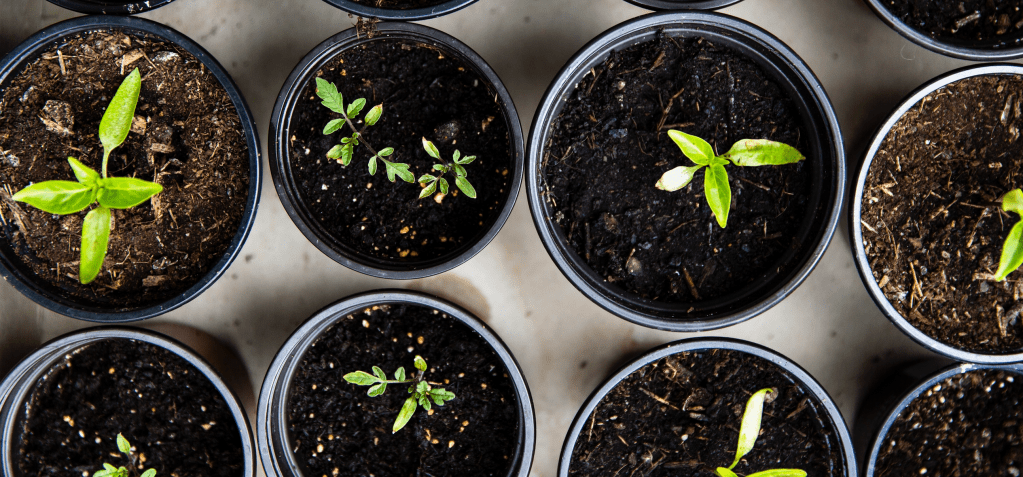
As we enter into March, we are teased with warmer weathered days and hopes of a near end to winter. It’s easy to become a bit too eager to head to your local flower shop to begin your annual spring/summer flower planting. After the long, cold winter months you want to add some color and life back to your landscaping. It is important, however, to keep in mind that while the air outside might be warming up and giving off the illusion of flower ready conditions, the soil and ground temperatures are still below the appropriate threshold necessary for most annual plants to survive.
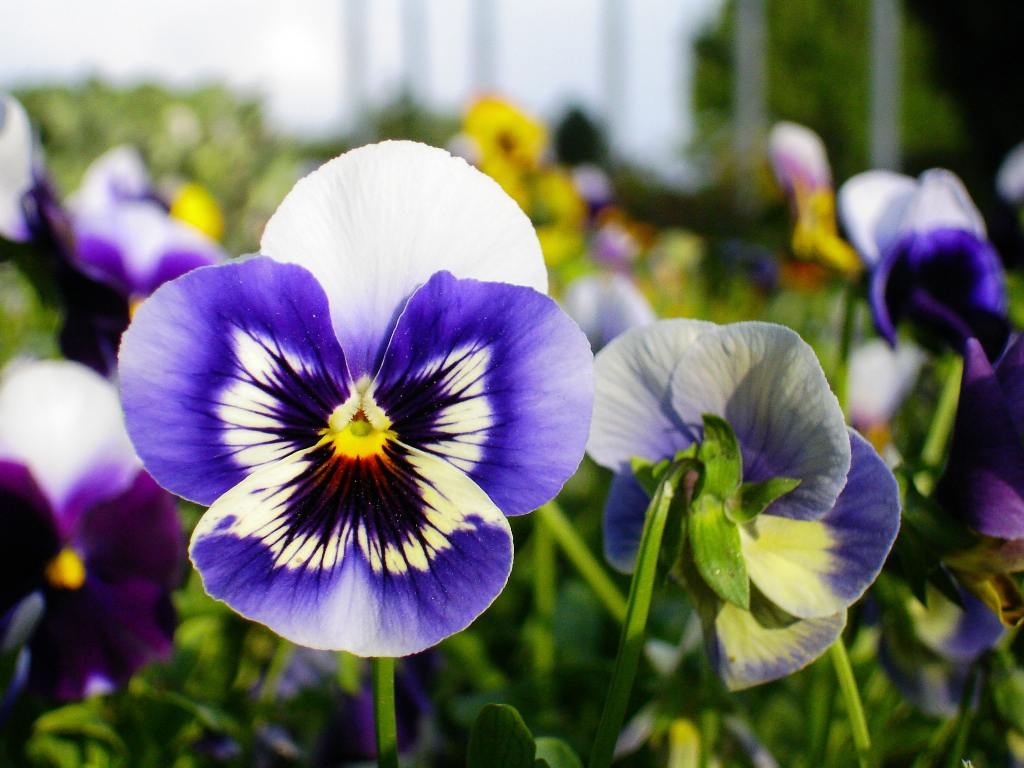
If you decide to start planting now, I urge you to purchase cool-season annuals that are able to survive in frosty, cooler temperatures. Flowers such as pansies, sweet peas, and bluebonnets are all good options for this time of year. Keep in mind, however, that as the temperatures start to rise, these flowers will not be able to survive. Once temperatures start to exceed 80°F, these plants will most likely die. They are great plants for early spring and late fall but are not equipped to survive the harsh summer months.
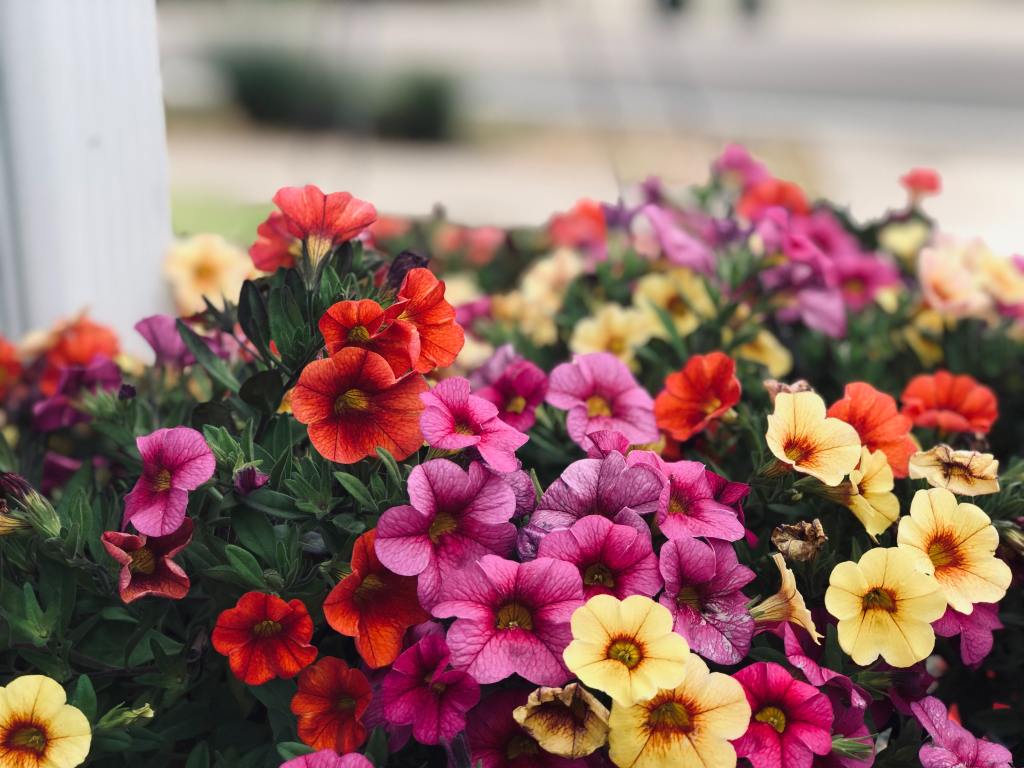
If you are wanting to plant flowers that will last you all summer long, such as petunias, marigolds, begonias, impatiens, etc., you will need to wait until we get a bit further into the spring season. If you plant them too soon, it’s likely that you will end up having to re-purchase and re-plant all your flowers after a sudden, unexpected frost comes along and kills them.
To avoid this, I recommend searching online for your local farmer’s almanac that can tell you when the last spring frost is likely to occur. In St. Louis, Missouri, for example, the projected date for the final spring frost is April 15th. You can begin planting your warm-seasoned annuals any time after this date, as long as ground temperatures are at the appropriate level. As a rule of thumb, I do not recommend planting any warm-season annuals before the ground temperatures reach a minimum of 60°F.
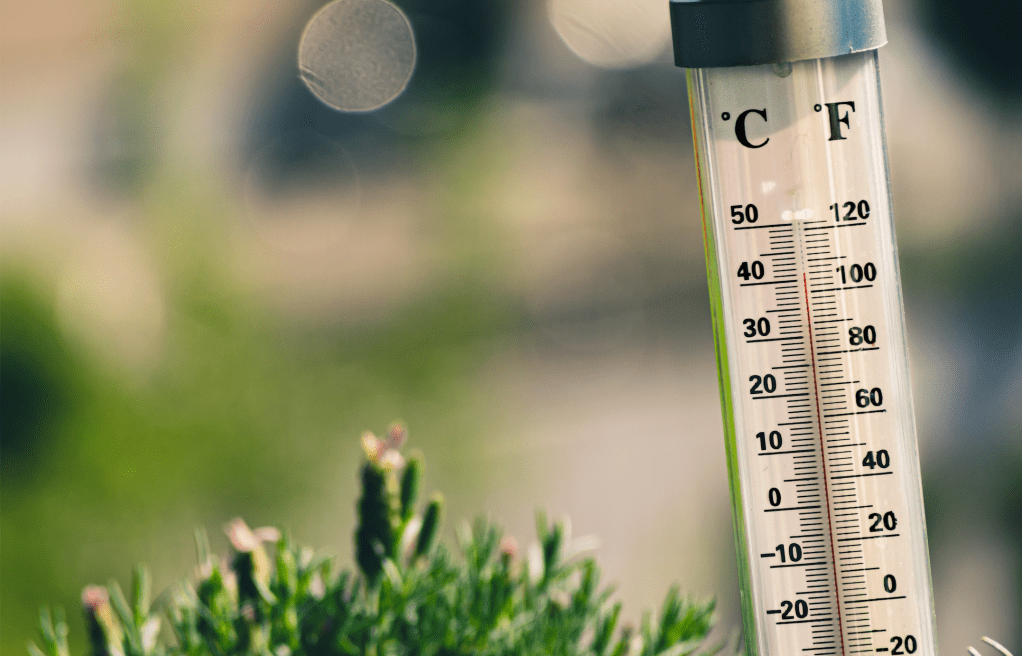
I recommend using a soil thermometer like the one linked HERE to get an accurate measurement of the soil temperatures in your garden.
Please feel free to leave any questions you may have in the comments below, and I will be sure to assist you in whatever way I can!
Happy Planting!
 rootsllc.law.blog